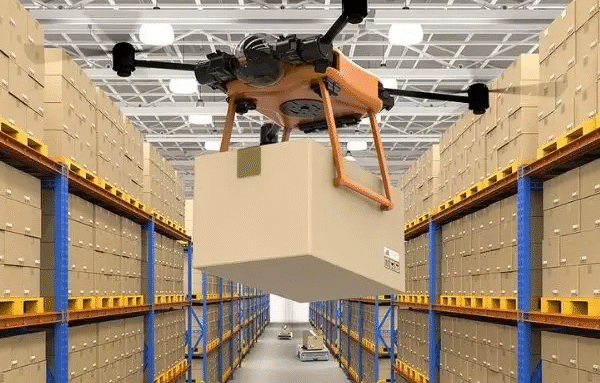
Freight logistics forms the backbone of global trade. It involves the careful planning, execution, and management of transporting goods from one place to another. Today, businesses face rising complexities in managing freight logistics. Increased consumer demand, technological evolution, and global disruptions make this field more challenging than ever. Understanding these challenges is crucial for companies aiming to stay competitive and efficient.
Rising Transportation Costs in Freight Logistics
Transportation costs are a major concern for freight logistics managers. Fuel prices fluctuate constantly, and labor shortages increase shipping expenses. Companies must balance the need for timely deliveries with the rising cost of moving goods. Efficient route planning and vehicle optimization have become essential to control expenses. In freight logistics, cost management is no longer optional—it directly impacts profit margins and operational sustainability.
Supply Chain Disruptions and Freight Logistics
Freight logistics is deeply affected by global supply chain disruptions. Events like natural disasters, political unrest, and pandemics can halt the movement of goods. These disruptions often lead to delayed shipments and frustrated customers. Businesses need contingency plans and real-time tracking systems to minimize losses. Freight logistics requires constant vigilance and adaptability to handle unexpected interruptions.
Technological Integration Challenges in Freight Logistics
Implementing new technology in freight logistics is not always seamless. Software for tracking shipments, automating documentation, or optimizing routes demands proper training and investment. Smaller businesses often struggle with integrating advanced systems into their operations. Yet, technology remains a key factor in improving efficiency, reducing errors, and enhancing transparency in freight logistics management.
Regulatory Compliance in Freight Logistics Operations
Freight logistics must navigate a complex web of regulations. Customs requirements, safety standards, and environmental rules vary across regions. Noncompliance can lead to fines, shipment delays, and reputational damage. Companies must stay informed and adapt to changing laws. Effective freight logistics management includes rigorous compliance monitoring and documentation practices.
Workforce Shortages Affecting Freight Logistics
A skilled workforce is critical for smooth freight logistics operations. However, the industry faces driver shortages, warehouse staffing challenges, and high turnover rates. Training programs and employee retention strategies have become vital. Smaller businesses often struggle with integrating advanced systems into their operations. Freight logistics teams must balance human resources with automation to maintain productivity and service quality.
See also: Comprehensive Business Intelligence on 936344142, 8442652659
Environmental and Sustainability Pressures in Freight Logistics
Sustainability has become a pressing concern for freight logistics. Companies are under pressure to reduce carbon emissions and adopt greener practices. Electric vehicles, optimized routes, and eco-friendly packaging are gaining importance. Businesses need contingency plans and real-time tracking systems to minimize losses. Meeting environmental standards not only helps the planet but also enhances brand reputation in the freight logistics sector.
Conclusion
Freight logistics today faces a combination of financial, operational, technological, and regulatory challenges. Rising costs, supply chain disruptions, workforce shortages, and sustainability pressures test the resilience of companies. Yet, businesses that invest in technology, compliance, and workforce development can turn these challenges into opportunities. Effective freight logistics management is about adapting quickly, planning strategically, and staying ahead of evolving market demands.