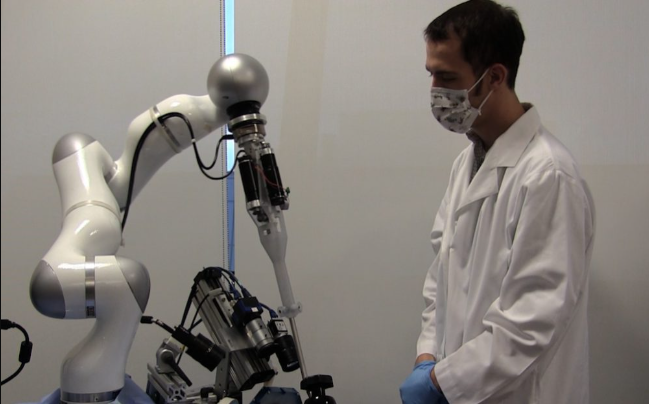
Robotic systems are increasingly integral to modern surgical practices. These technologies enhance precision and efficiency, enabling surgeons to perform complex procedures with greater accuracy. Minimally invasive techniques reduce patient trauma and recovery time. As robotic capabilities expand, they are poised to redefine surgical standards across various disciplines. However, the implications of these advancements warrant further examination, particularly regarding their impact on patient outcomes and the future of surgical care.
The Role of Robotic Systems in Surgical Procedures
As surgical techniques evolve, robotic systems have emerged as pivotal tools in enhancing precision and efficiency during procedures.
These innovations facilitate robotic precision, allowing surgeons to perform intricate tasks with enhanced dexterity.
Moreover, the integration of robotic systems contributes to improved surgical safety, minimizing risks associated with human error.
As a result, these technologies are redefining the landscape of modern surgery, promising greater patient outcomes.
Advantages of Robotic-Assisted Surgery
Robotic-assisted surgery offers numerous advantages that enhance surgical outcomes and patient safety.
By employing precision techniques, these systems facilitate minimally invasive procedures, resulting in reduced trauma and quicker recovery times.
Enhanced visualization and dexterity allow surgeons to execute complex maneuvers with accuracy, thereby improving patient outcomes.
Ultimately, robotic assistance fosters a higher standard of care, promoting both efficiency and effectiveness in surgical practices.
Current Applications of Robotics in Different Surgical Disciplines
While advancements in technology continue to reshape the landscape of medicine, robotics has established a significant presence across various surgical disciplines.
Robotic innovations enhance surgical precision in areas such as urology, gynecology, and orthopedics, allowing for minimally invasive procedures.
Surgeons utilize these systems to improve outcomes, reduce recovery times, and minimize complications, illustrating the transformative impact of robotics on modern surgical practices.
The Future of Robotics in the Operating Room
With the rapid evolution of technology, the future of robotics in the operating room promises to revolutionize surgical practices further.
Robotic innovations are expected to enhance precision, reduce recovery times, and improve patient outcomes.
Future technologies may include advanced AI integration, enabling real-time data analysis and decision-making, thus empowering surgeons with unprecedented capabilities and offering patients enhanced autonomy over their healthcare choices.
Conclusion
In conclusion, the integration of robotic systems in surgical procedures has ushered in a new era of precision and efficiency, transforming patient care. As advancements continue, these technologies are not merely scratching the surface but instead delving deeper into the intricacies of surgical techniques. With each passing day, the collaboration between robotics and surgery promises to not only elevate standards of care but also redefine the surgical landscape, ultimately ensuring that patients receive the best possible outcomes.